Twenty islands. Local hosts.
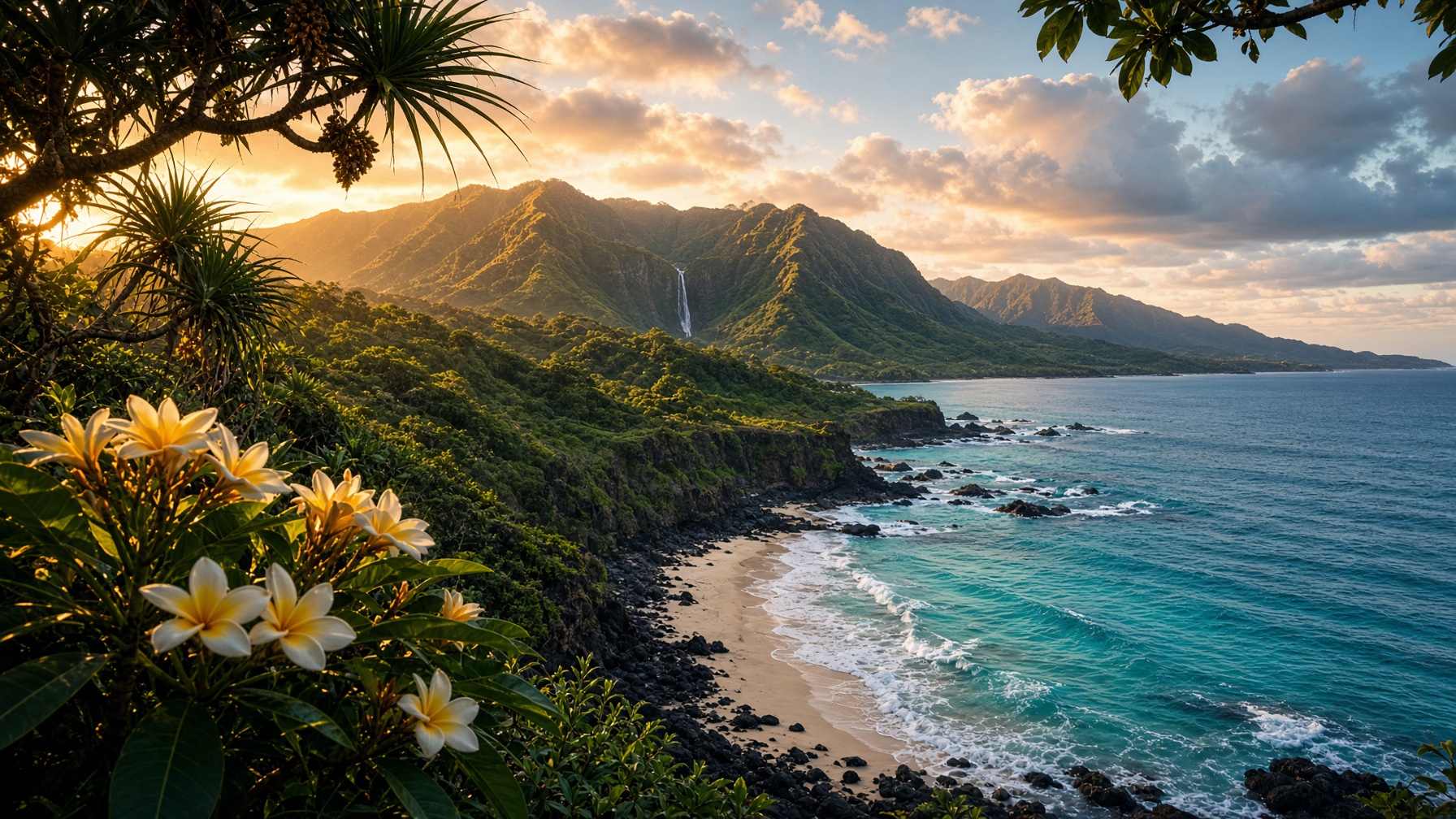
United States · Hawaiian
Hawaiian Islands
An archipelago that taught the Pacific how to say aloha.
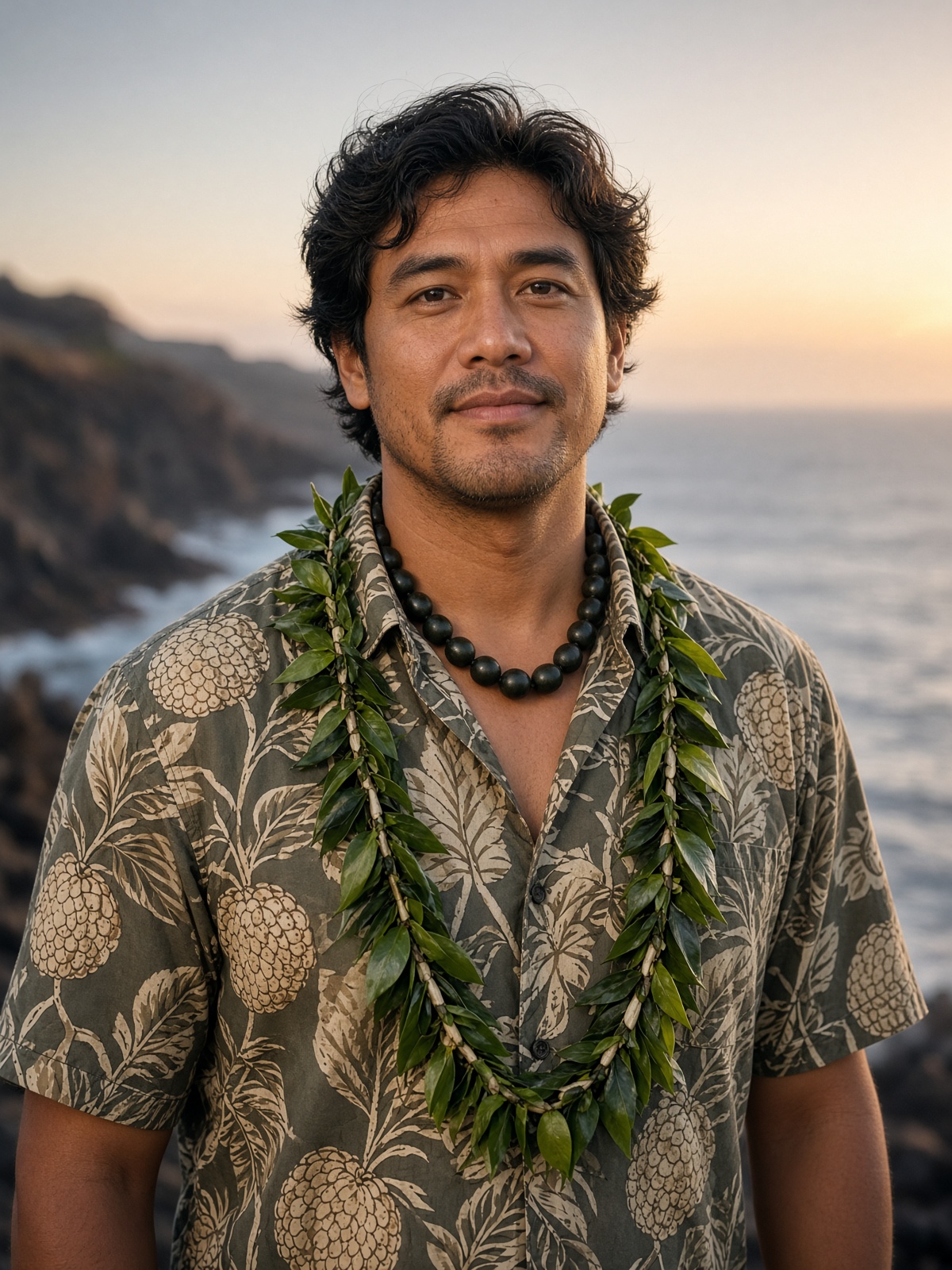
Your host · Hawaiian
Kaleo
Island host
Kaleo wears maile and kukui and speaks ʻōlelo with the patience of someone who learned it as a return. He will tell you which fruit is canoe plant and which is a later guest.
The Hawaiian Islands are the most isolated high islands on earth. ʻŌlelo Hawaiʻi is a living language again. Endemic birds hang on in the uplands, and the reef still feeds the table.
Field notes
10 fruits
Breadfruit
ʻUlu
Artocarpus altilis
A canoe plant. Roasted, pounded, or fried. The tree of voyaging that still feeds a backyard.
Coconut
Niu
Cocos nucifera
Water, flesh, husk, leaf. The tree of many uses, planted by the ancestors.
Pineapple
Hala kahiki
Ananas comosus
Not a canoe plant — a plantation guest that became an island image. Still sweet from local plots.
Papaya
Mikana
Carica papaya
Sunrise papaya, eaten with lime, a tree in every homestead garden.
Banana
Maiʻa
Musa
Canoe plant. Many Hawaiian varieties, some for cooking, some eaten ripe.
Guava
Kuawa
Psidium guajava
Wild along trails, pink or yellow, the smell of a windward hike.
Passion fruit
Lilikoi
Passiflora edulis
The island name for passion fruit. Yellow, aromatic, the flavor of a shave ice.
Mountain apple
ʻŌhiʻa ʻai
Syzygium malaccense
A canoe plant. Crisp, rose-water flesh, fruiting in windward valleys.
Mango
Mango
Mangifera indica
Summer backyard mangoes, shared over fences, the season everyone waits for.
Starfruit
Starfruit
Averrhoa carambola
Sliced into stars, tart, a later garden guest that stayed.