Twenty islands. Local hosts.
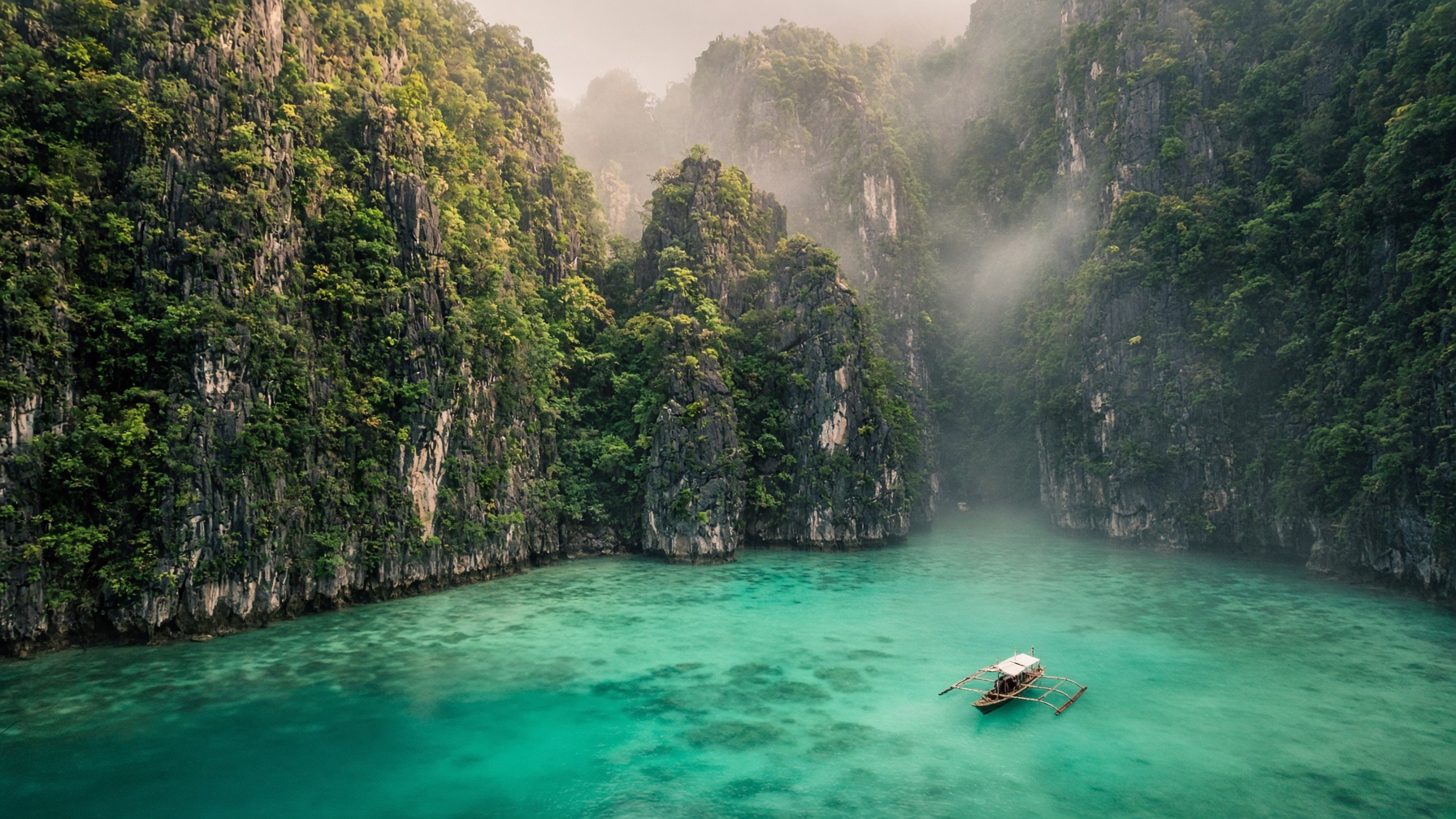
Philippines · Filipino
Palawan
The last frontier — karst, lagoon, and forest endemics.
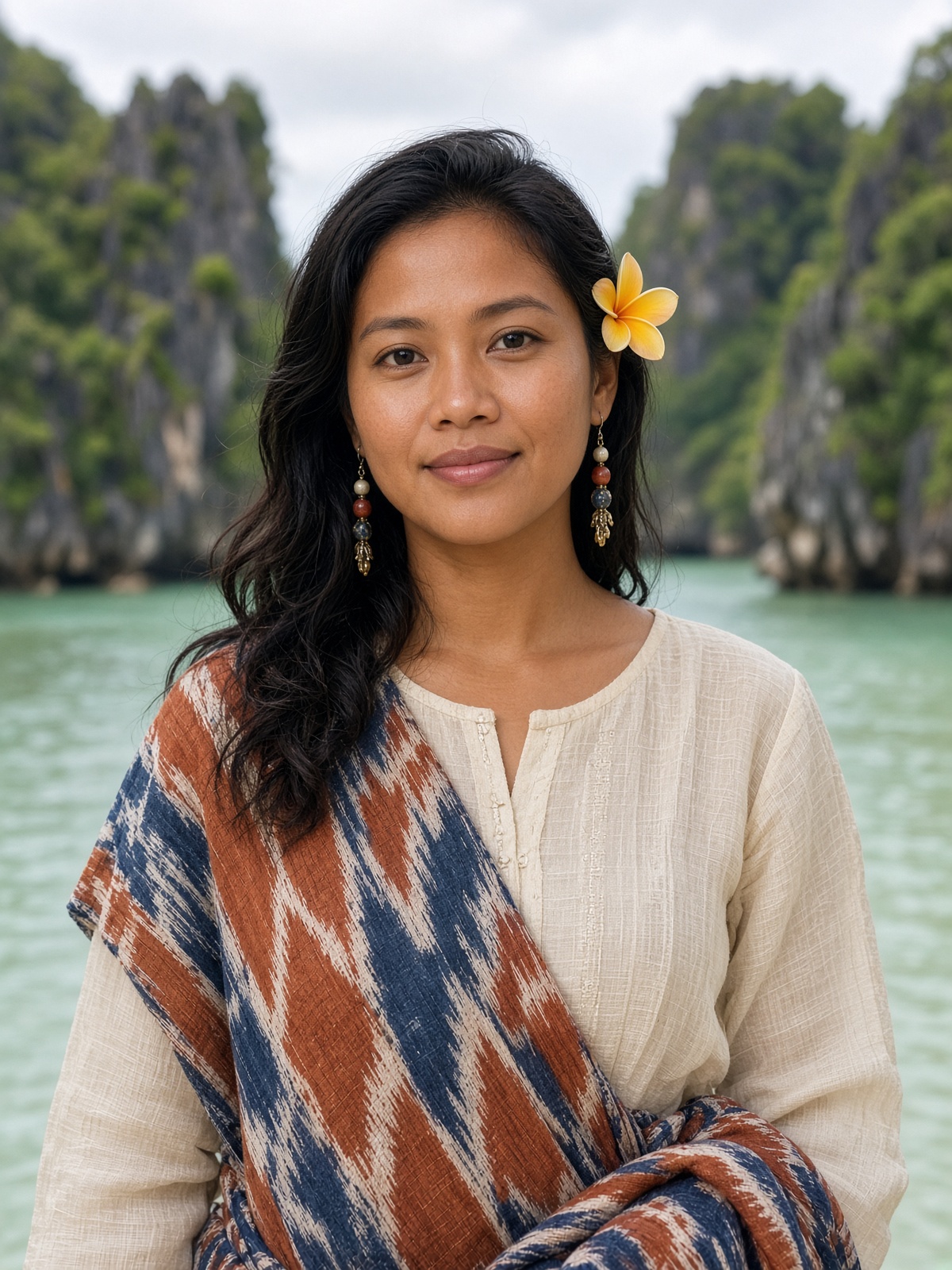
Your host · Filipino
Maya
Island host
Maya wears ikat and piña cloth, and she will tell you the difference between a Palawan hornbill and a rumor. She speaks Filipino with a Palawan lilt.
Palawan is a long spine of limestone and forest between Sulu and the South China Sea. Filipino and Cuyonon share the towns. The wildlife is its own country.
Field notes
10 fruits
Mango
Mangga
Mangifera indica
Carabao mangoes, the ones that taste like they were invented here, eaten cheek to cheek.
Coconut
Niyog
Cocos nucifera
Buko from the tree, gata in the ginataan, oil in the lamp of an older kitchen.
Banana
Saging
Musa
From lakatan to saba. Saba is boiled, fried, or tucked into turon.
Pineapple
Pinya
Ananas comosus
Grown in the drier north, sold in spears on the Puerto Princesa roadside.
Rambutan
Rambutan
Nephelium lappaceum
Seasonal, hairy, sold by the kilo in the wet months.
Lanzones
Lanzones
Lansium parasiticum
Small pale gold fruits in bunches, a southern sweet that reaches Palawan tables.
Calamansi
Kalamansi
Citrus microcarpa
The tiny native lime of the Philippines, sour enough to season a whole kitchen.
Papaya
Papaya
Carica papaya
Ripe at breakfast, green in atchara pickles.
Jackfruit
Langka
Artocarpus heterophyllus
Yellow bulbs in ginataang bilo-bilo, or ripe and dripping at a stall.
Durian
Durian
Durio zibethinus
South Palawan grows it. The smell announces the season before the signboard does.